Vermont EV Rebates in Late 2026: A Utility-by-Utility Guide After the End of State and Federal Incentives
With the state's New PEV incentive closed since 2024 and federal clean vehicle credits ended in September 2025, electric utility rebates are now the main source of purchase incentives for Vermont EV buyers. Amounts vary widely by service territory.
By Vermont Rebates Staff
Published August 4, 2026 · Updated November 18, 2026
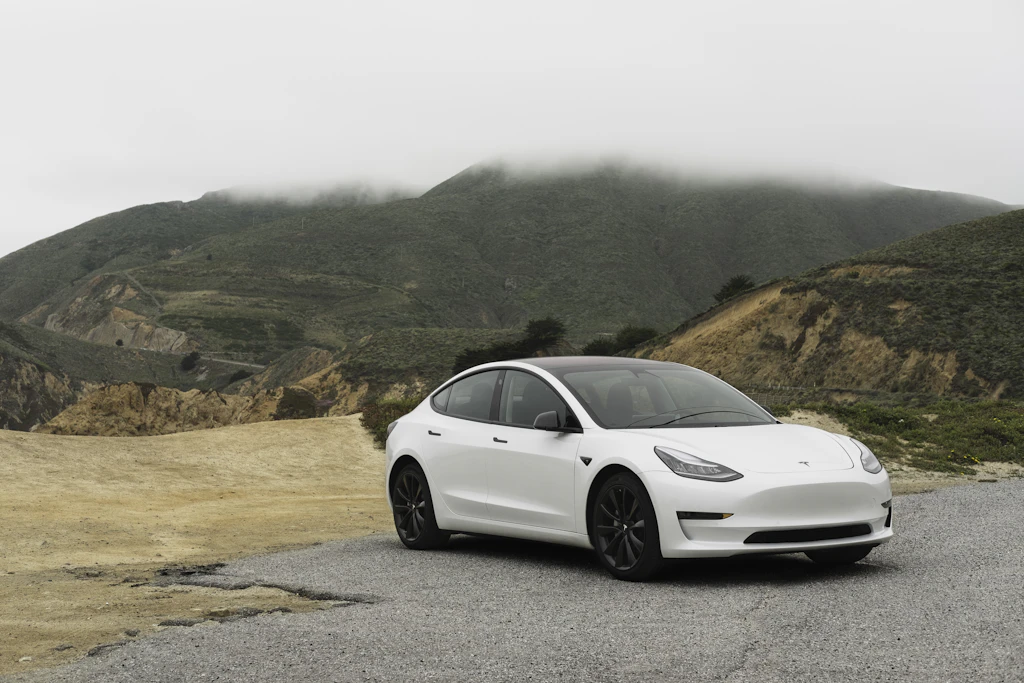
MONTPELIER, Vt. — Vermonters shopping for an electric vehicle at the end of 2026 face a very different incentive landscape than they did two years ago. The State of Vermont's income-based incentive for new plug-in vehicles, which offered up to $5,000, stopped accepting new purchases in October 2024 after funds ran out. Federal clean vehicle tax credits ended for vehicles acquired after September 30, 2025. What remains is a patchwork of rebates offered by the state's electric utilities, and the amount a buyer can receive now depends largely on which utility serves their home.
According to the State of Vermont's climate portal, "nearly every utility in Vermont offers incentives for new and used all-electric vehicles and plug-in hybrids, as well as home chargers and reduced electricity rates," with additional incentives often available for lower-income customers.

What ended
The Vermont Agency of Transportation (VTrans) reported to the Legislature that the New PEV program, along with the Replace Your Ride and MileageSmart programs, effectively closed on October 8, 2024, after record application volume exhausted funding. A VTrans-commissioned evaluation published in February 2026 states that state funding for the New PEV, MileageSmart and Replace Your Ride programs ended in 2024, and that funds for the state eBike and Electrify Your Fleet programs ended in 2025.
At the federal level, the Internal Revenue Service states that the New Clean Vehicle Credit (up to $7,500), the Previously-Owned Clean Vehicle Credit and the Qualified Commercial Clean Vehicle Credit are not available for vehicles acquired after September 30, 2025, under Public Law 119-21, commonly called the One Big Beautiful Bill Act. The federal credit for home charging equipment (Section 30C) ended for property placed in service after June 30, 2026.
Utility rebates now available
Burlington Electric Department (BED) offers the largest utility EV rebate in the state. BED customers can receive $5,000 toward a new all-electric vehicle or $2,000 toward a new plug-in hybrid, purchased or leased, with enhanced amounts of $5,700 and $2,300 for income-qualified households. Pre-owned EVs and plug-in hybrids qualify for $1,300, or up to $2,000 for income-qualified buyers of a used all-electric vehicle. BED also offers up to $900 toward a home charger purchased with an all-electric vehicle ($1,000 for income-qualified customers). BED has described the boosted rebates as helping offset the expiration of the federal tax credit, and says the enhanced incentives remain available through the end of 2026 or as long as funds remain, whichever comes first.
Green Mountain Power (GMP), the state's largest utility, offers $1,500 for a new all-electric vehicle purchase, $1,000 for a new all-electric lease or a used all-electric vehicle, $1,000 for a new plug-in hybrid purchase and $750 for a plug-in hybrid lease or used plug-in hybrid. Income-eligible customers buying or leasing a new or used all-electric vehicle can receive an additional $1,000, for a maximum of $2,500. Rebates can be applied as a discount at participating dealerships or claimed after purchase. GMP's Home Charging program provides a Level 2 charger at no cost while enrolled, plus up to $650 toward installation for customers who buy or lease an all-electric vehicle in 2026. The vehicle offer runs through December 31, 2026.
VPPSA member utilities — the municipal systems in Barton, Enosburg Falls, Hardwick, Jacksonville, Johnson, Ludlow, Lyndonville, Morrisville, Northfield, Orleans and Swanton — list 2026 rebates of $1,250 for a new all-electric vehicle, $500 for a new plug-in hybrid, $500 for a pre-owned all-electric vehicle and $250 for a pre-owned plug-in hybrid, with an additional $400 for income-qualifying customers. An older VPPSA program page still shows $1,000 for a new all-electric vehicle, so buyers should confirm the current figure. Purchases must be made by December 31, 2026, with applications due January 8, 2027.
Vermont Electric Cooperative (VEC) provides bill credits of $500 for all-electric vehicles and $250 for plug-in hybrids, new or used, with an additional $500 for income-qualified members, according to the co-op's January 2026 program summary. VEC also offers a free Level 2 charger, or a $250 credit for a member-purchased charger, for members who agree not to charge during high-demand periods.
Washington Electric Cooperative (WEC) offers $500 for a new all-electric vehicle, $250 for a used all-electric vehicle and $250 for a new plug-in hybrid, plus a $500 income-eligible bonus. WEC's PowerShift flexible-charging program pays a $10 monthly bill credit for avoiding peak charging hours.
Stowe Electric lists rebates from $350 to $700 depending on vehicle type and enrollment in its Connected Homes program, and $1,500 for income-qualified customers.

Efficiency Vermont and Drive Electric Vermont
Efficiency Vermont, the state's energy efficiency utility, sponsors Drive Electric Vermont in collaboration with VTrans. Drive Electric Vermont does not issue purchase rebates itself but maintains a searchable statewide incentive list. The FY2027 Transportation Act (Act 168) appropriated $242,000 to VTrans to continue its work with Drive Electric Vermont.
What buyers should know
Utility rebates generally require that the vehicle be registered at the address on the utility account. Several utilities note that rebates may be considered taxable income and require a W-9 form. Nearly all 2026 utility offers published to date carry a December 31, 2026, end date; 2027 program terms had not been posted by the utilities reviewed for this article as of publication.
Sources
- State of Vermont, Climate Change in Vermont — "It's Electric: Accessing EVs"
- Vermont Agency of Transportation — Report on Vermont Clean Transportation Incentive Programs (Jan. 31, 2025)
- VTrans — Evaluation of GHG Reductions Due to Vermont's Clean Transportation Incentive Programs (Feb. 2026)
- IRS — Clean vehicle tax credits
- IRS — FAQs on OBBB modifications to sections 25C, 25D, 25E, 30C, 30D, 45L, 45W and 179D
- Burlington Electric Department — Electric Vehicle Rebates
- Burlington Electric Department — March 2026 Net Zero Energy News
- Green Mountain Power — EV Rebate
- Green Mountain Power — In-Home Level 2 EV Charger
- VPPSA — 2026 Rebate & Incentive Offerings
- Vermont Electric Cooperative — 2026 Energy Transformation Incentives
- Washington Electric Cooperative — Energy Transformation Incentives
- Stowe Electric Department — Rebates & Incentives
- Drive Electric Vermont — Find Your Incentives
- Vermont Legislature — Act 168 (H.944) Act Summary